

Ride with us through time and let Rebecca Kunikowski tell you more about the eventful era of Emperor Franz Joseph I, the world of horses, artists, and the remarkable moments that shaped this site.
The history of this building and its surrounding neighborhood is shaped by many defining moments. Over the centuries, this place has undergone remarkable transformations. Today, we invite you to discover the traces of its past!
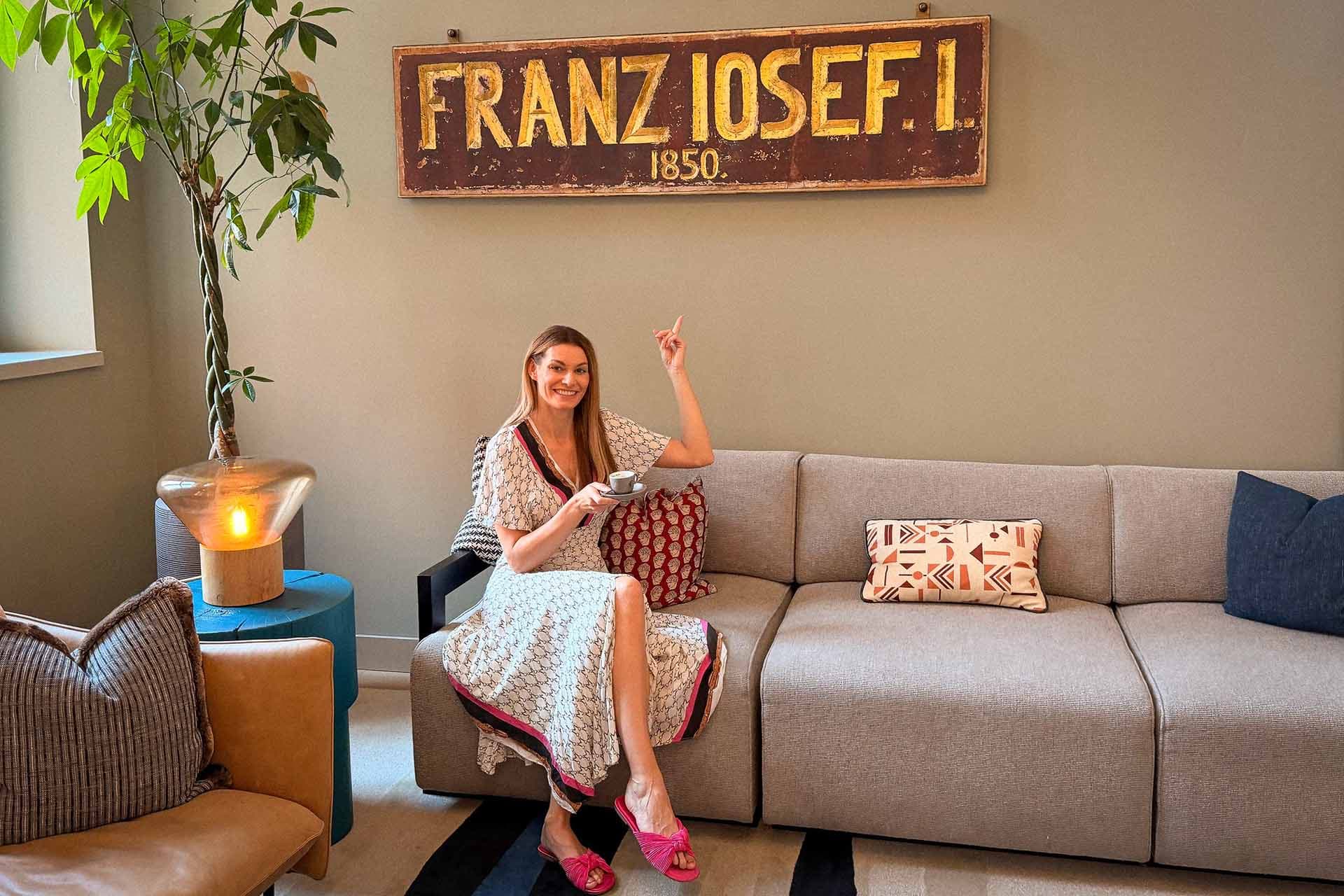
The authentic memorial plaque from 1850, which is showcased in the hotel lobby, once marked the entrance to the riding school. It still reminds us of the emperor and of the remarkable history of this place…
When Emperor Franz I purchased the palace in 1802, its purpose changed, yet it remained a place full of life. The emperor laid out an extensive orchard, soon known as the “Imperial Garden” (Kaisergarten) which supplied fresh fruit to the imperial court…
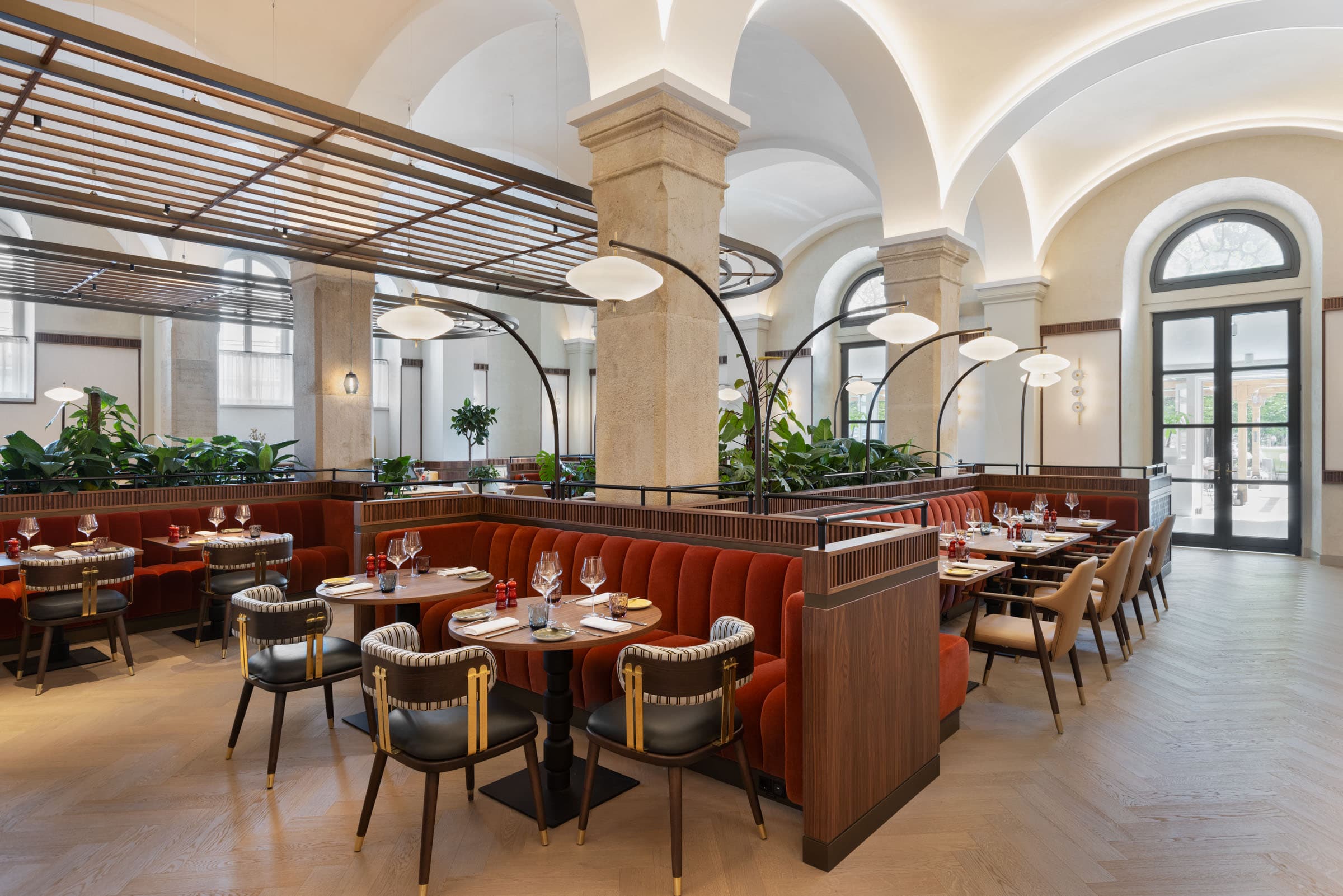
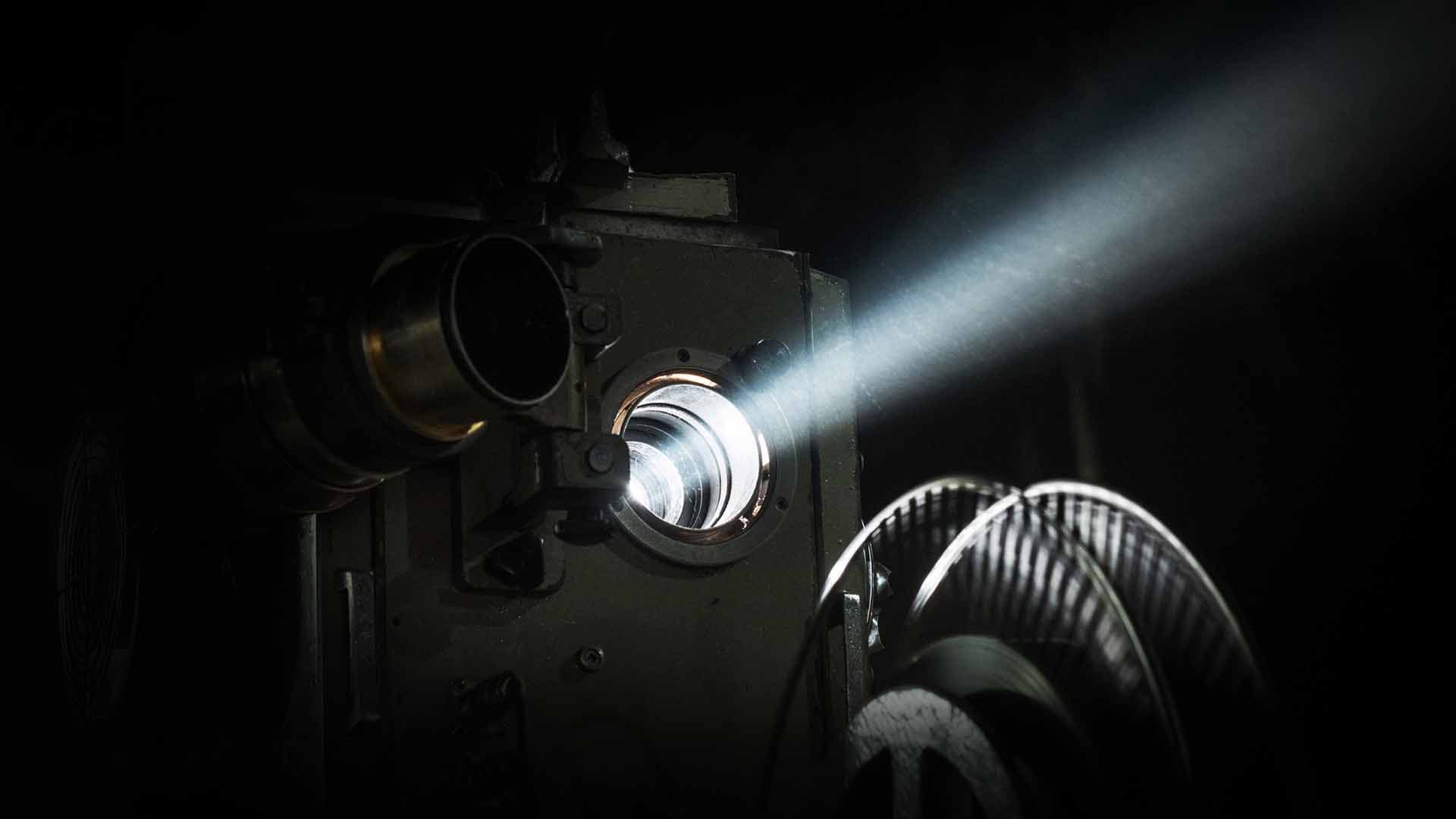
In 1918 the monarchy came to an end. The Military Riding Institute was dissolved, and the former
riding hall was given a completely new purpose…
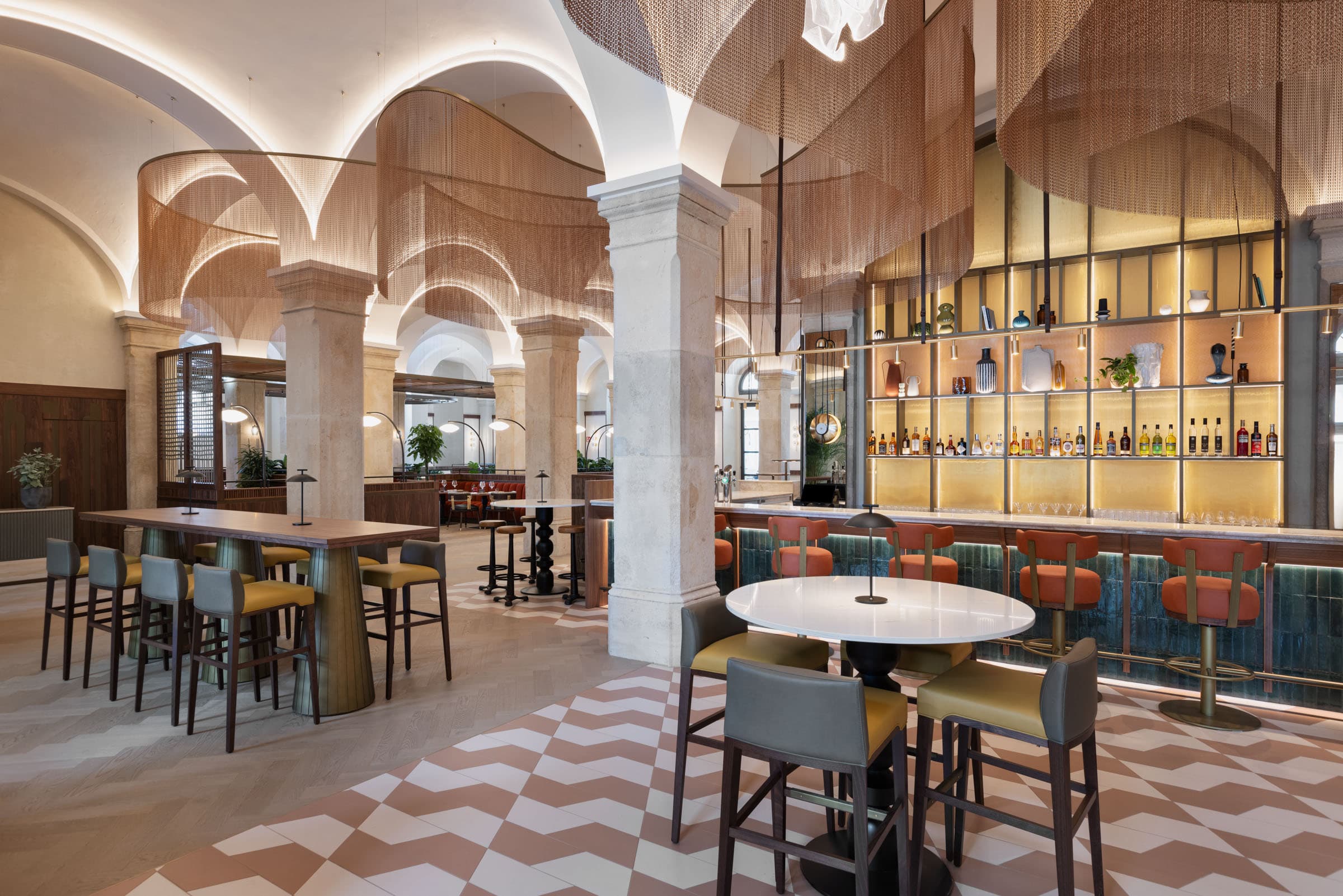
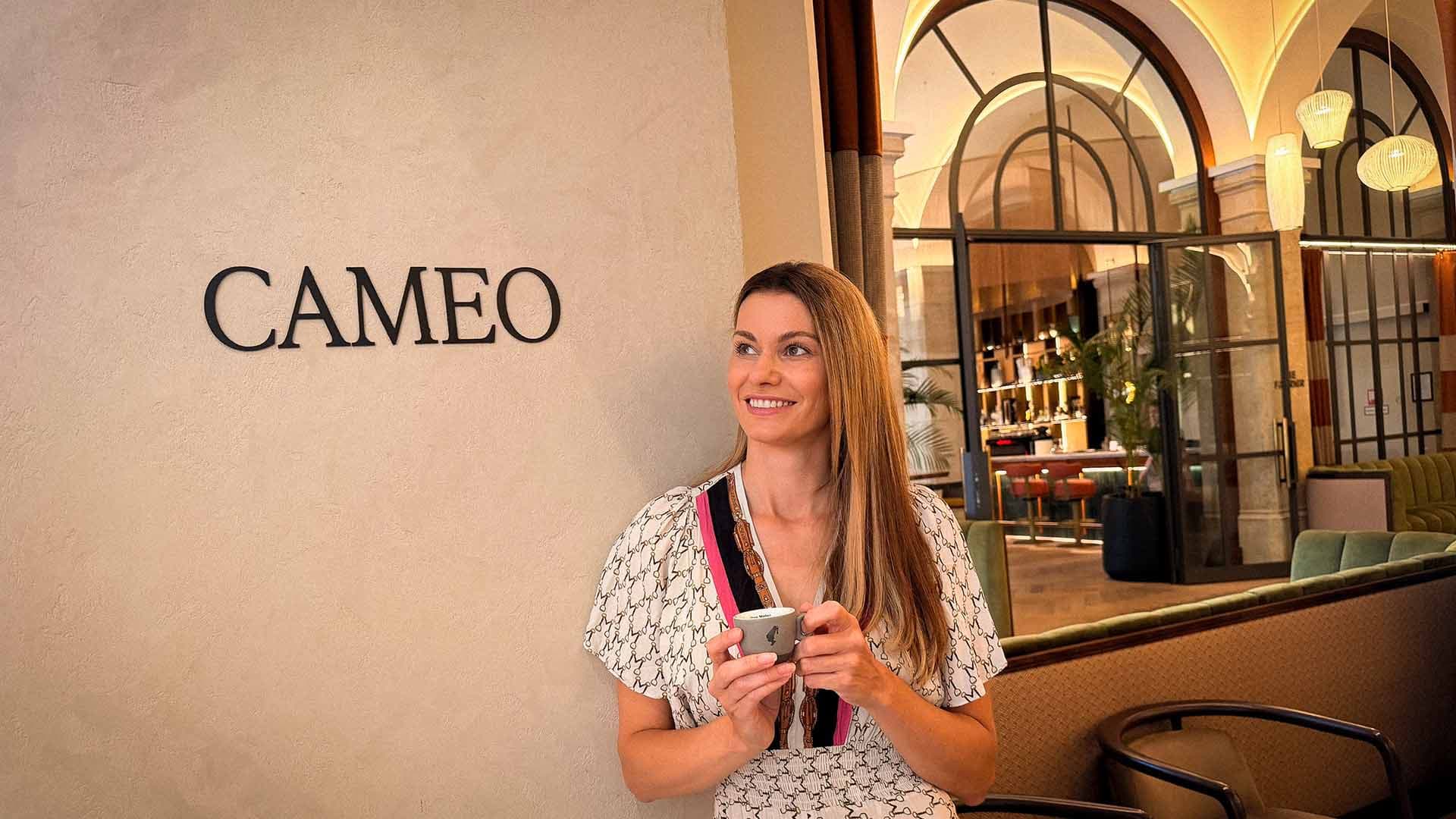
A ‘cameo’ is a brief, often surprising appearance of a well-known person in a film. Like those unexpected film appearances, Café Cameo invites you to dive into history and be enchanted by its magic…
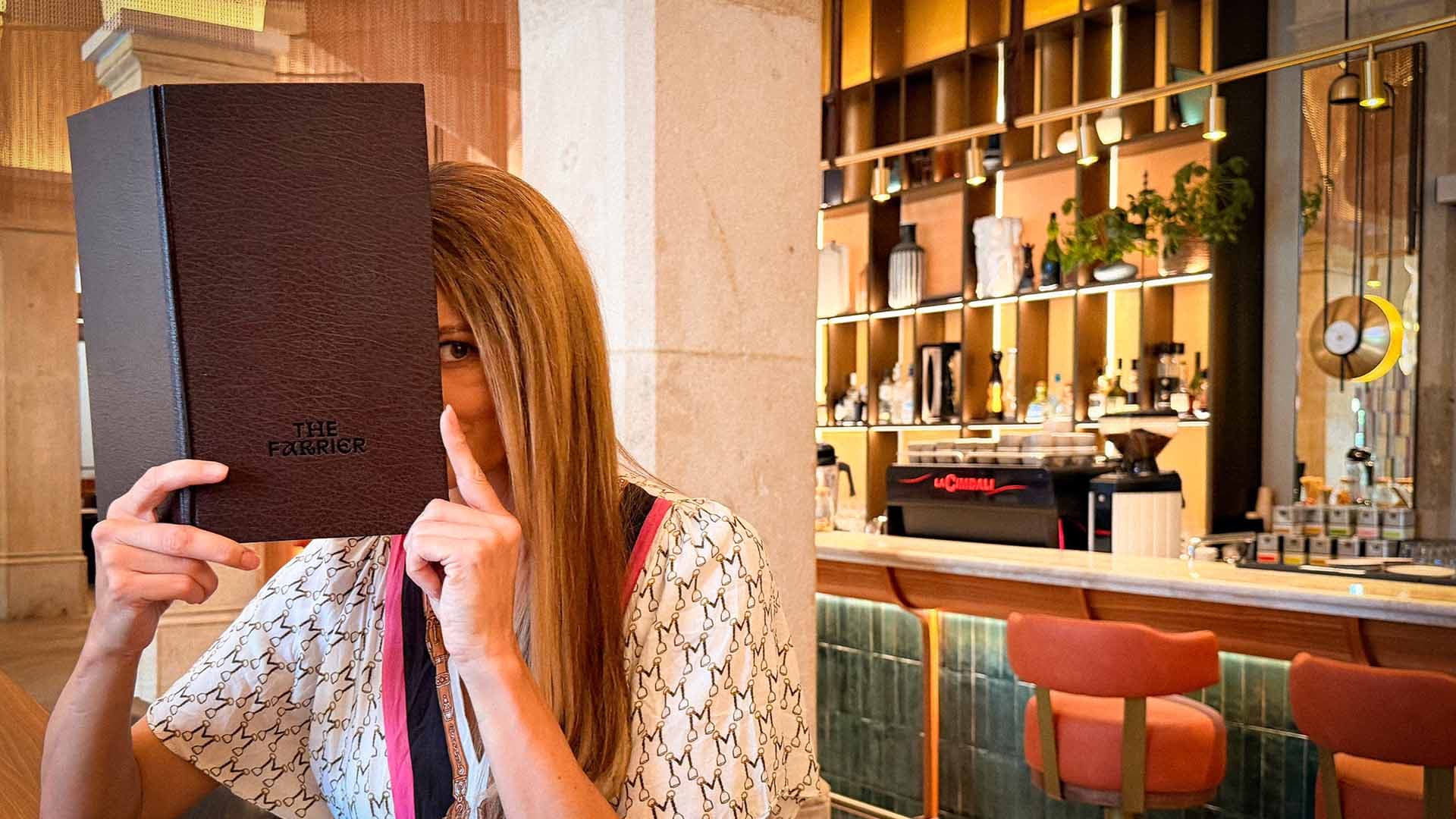
The preserved columns still bear traces of times gone by. As a tribute to its history, our bar is named „The Farrier“, a nod to the riding instructors of the institute and their connection to horses and the craft of farriery…
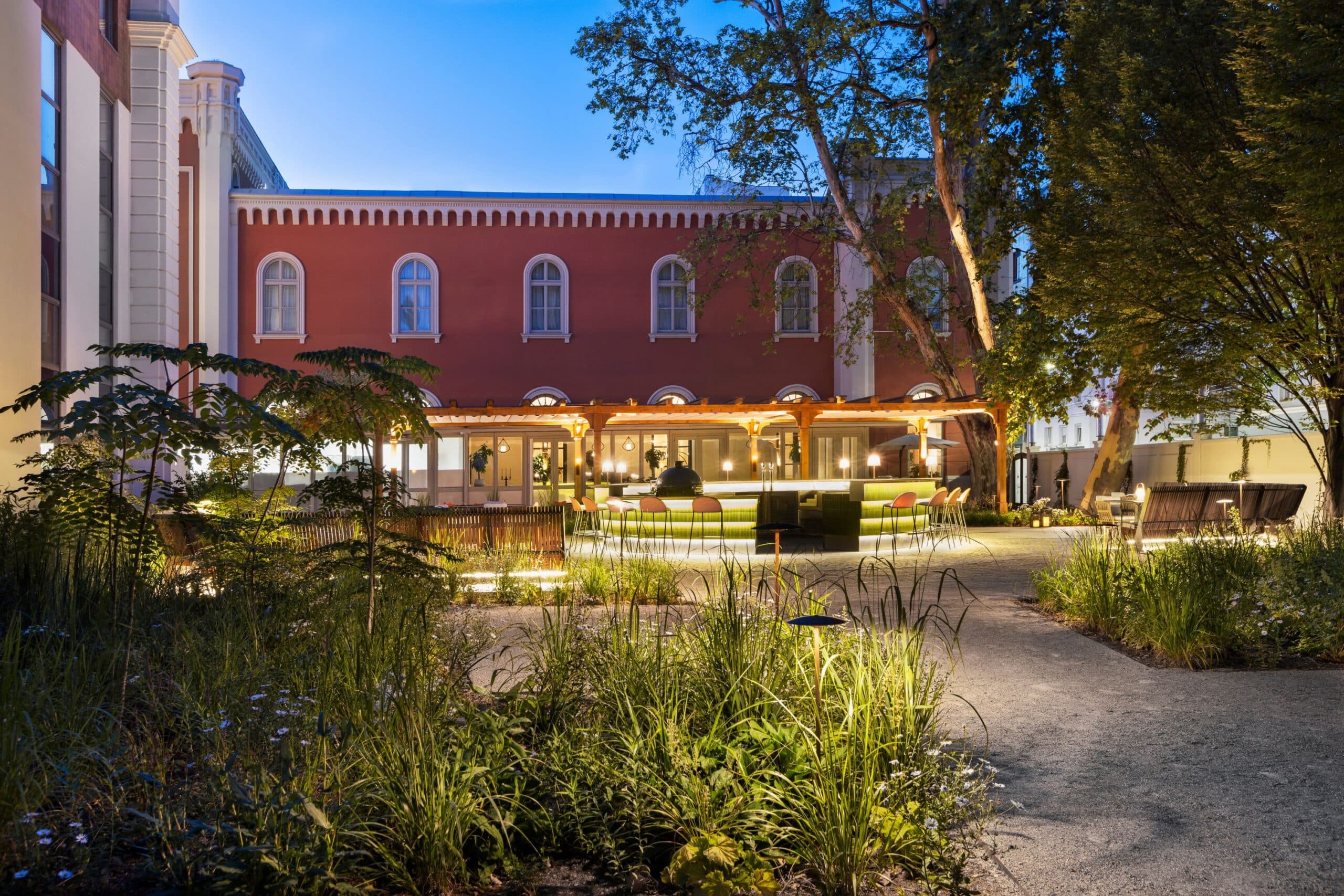
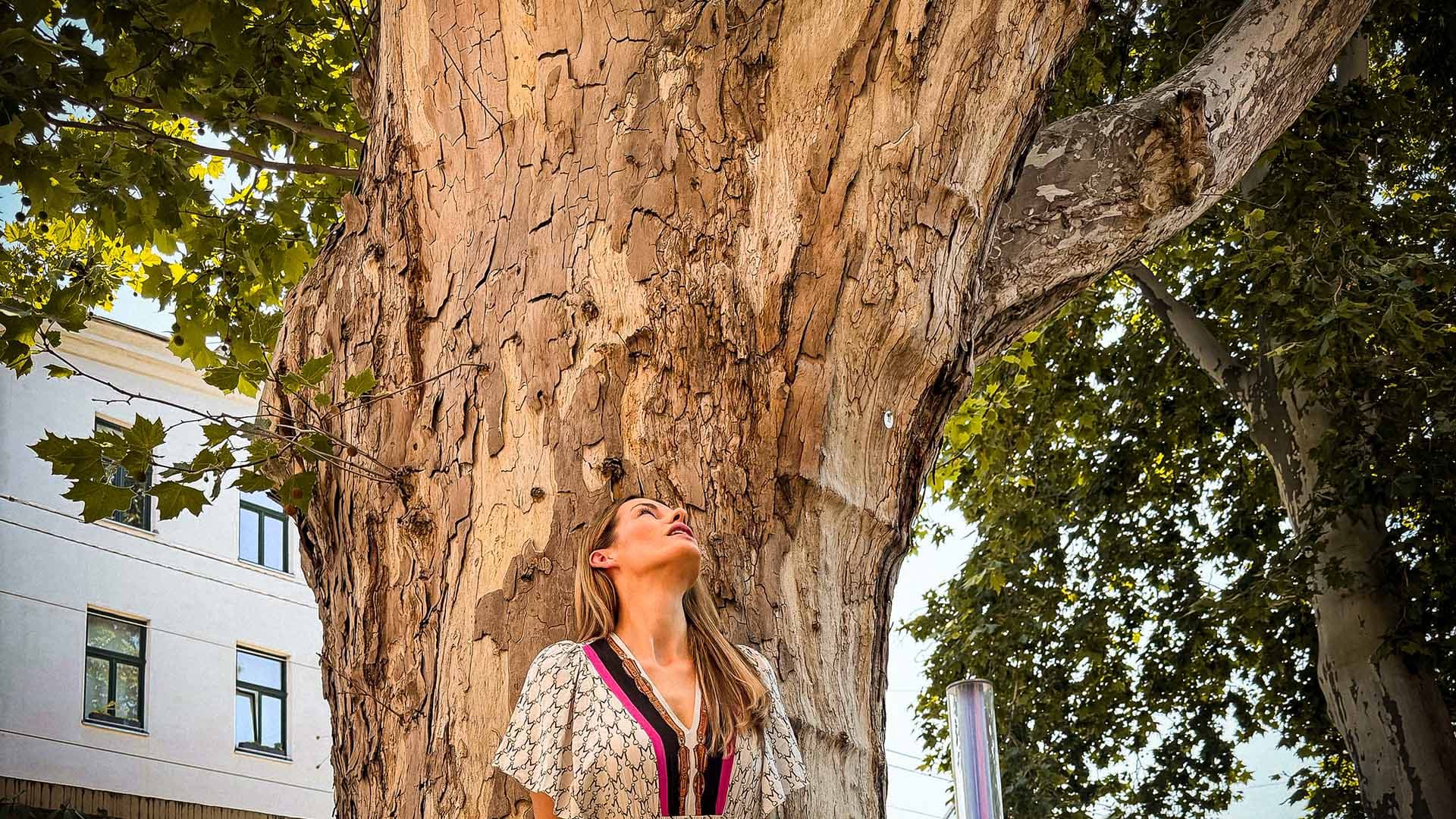
In our 2,000m² garden stands a very special lady who might have known the emperor personally!
Our oriental plane tree is over 150 years old and a living witness to this building’s history…
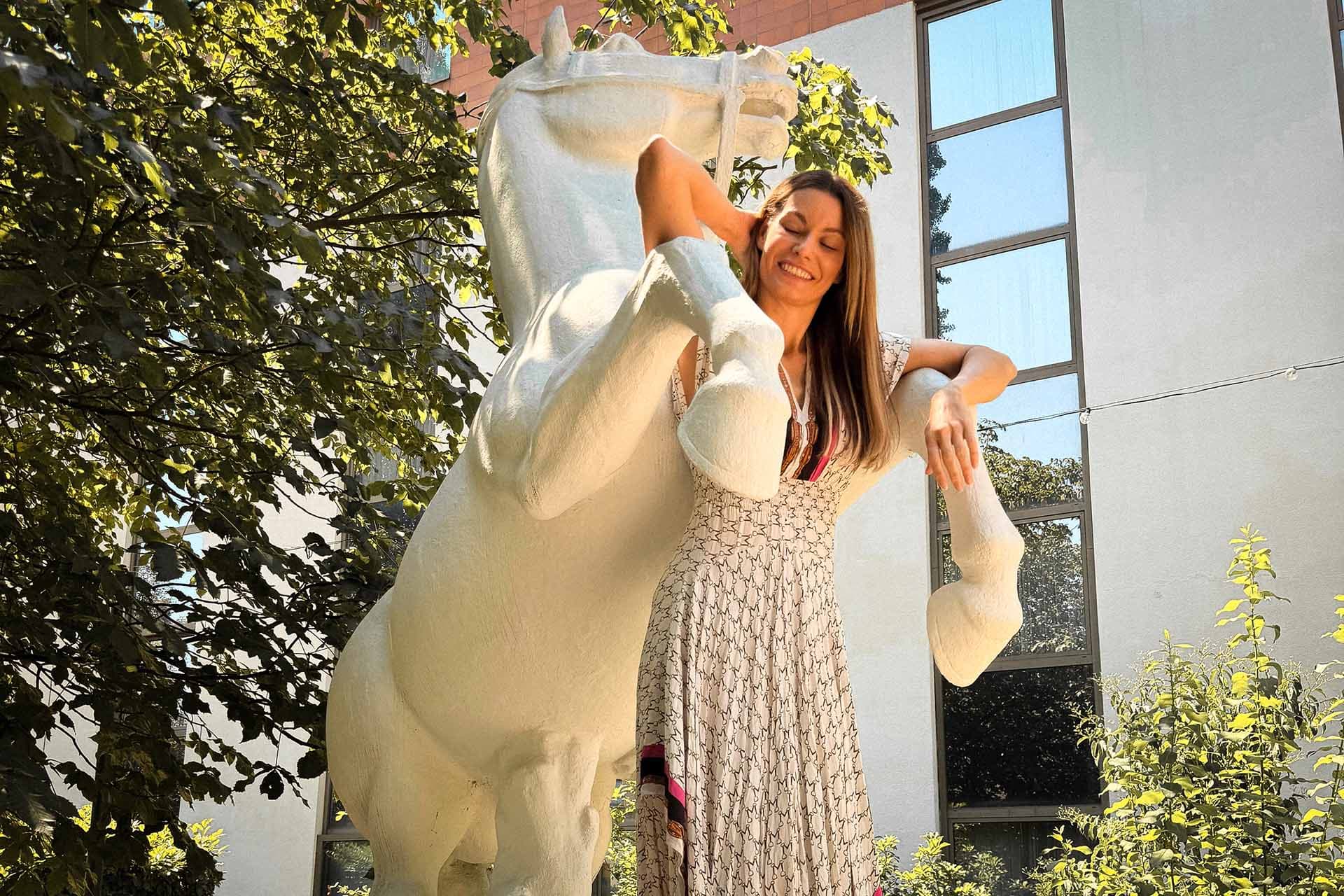
During a visit by Emperor Franz Joseph I to the military riding school, one horse suddenly veered out of line, putting the emperor’s life at risk. From a moment of shock an episode emerged that would go down in history…
Seven years of war and devastation left deep scars. In 1944, bombs heavily damaged the former
riding hall…
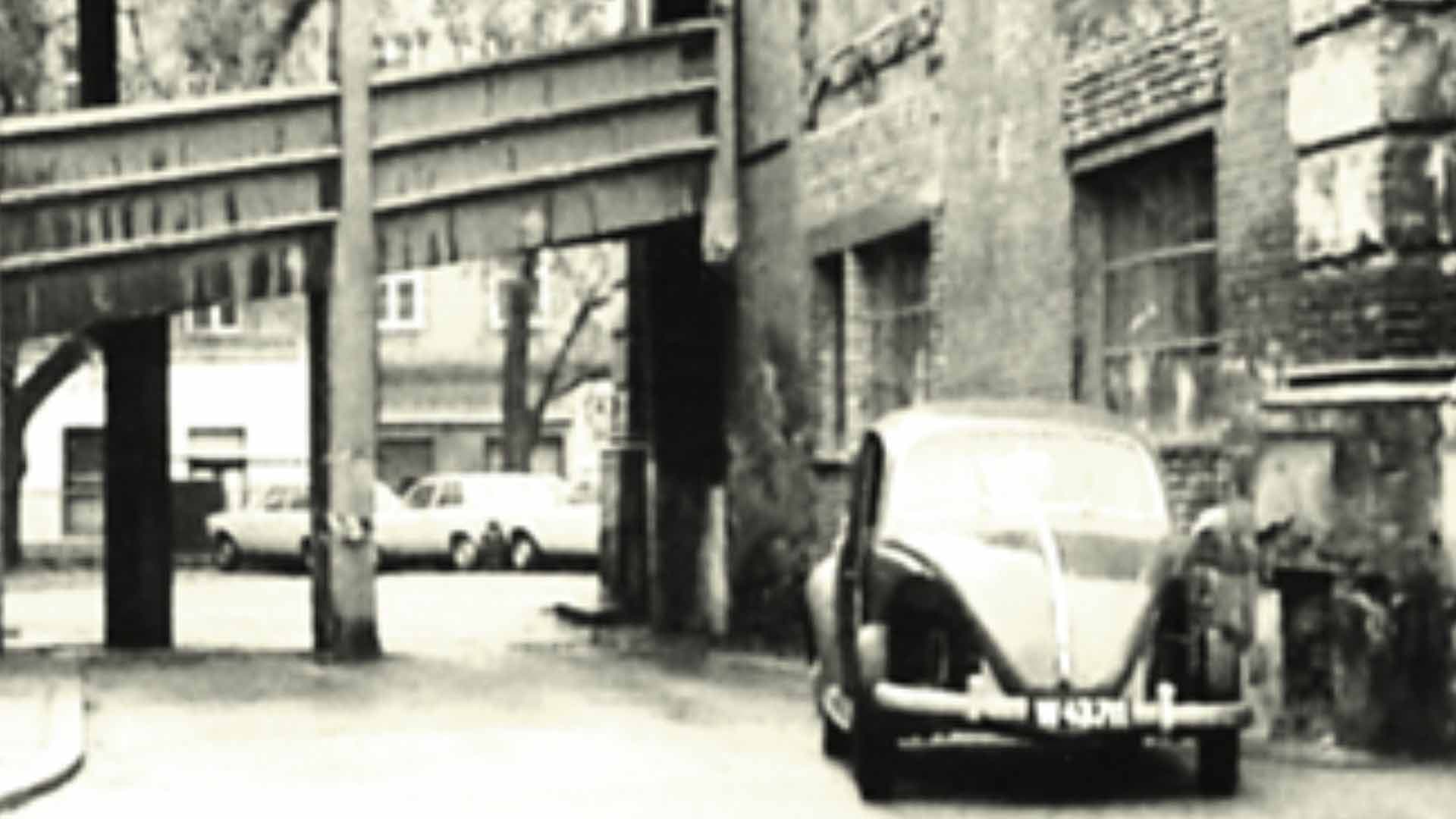
In the late 1980s, the property was sold, heritage protection was largely lifted, and many parts of the former military riding school were demolished. Yet not everything was lost…
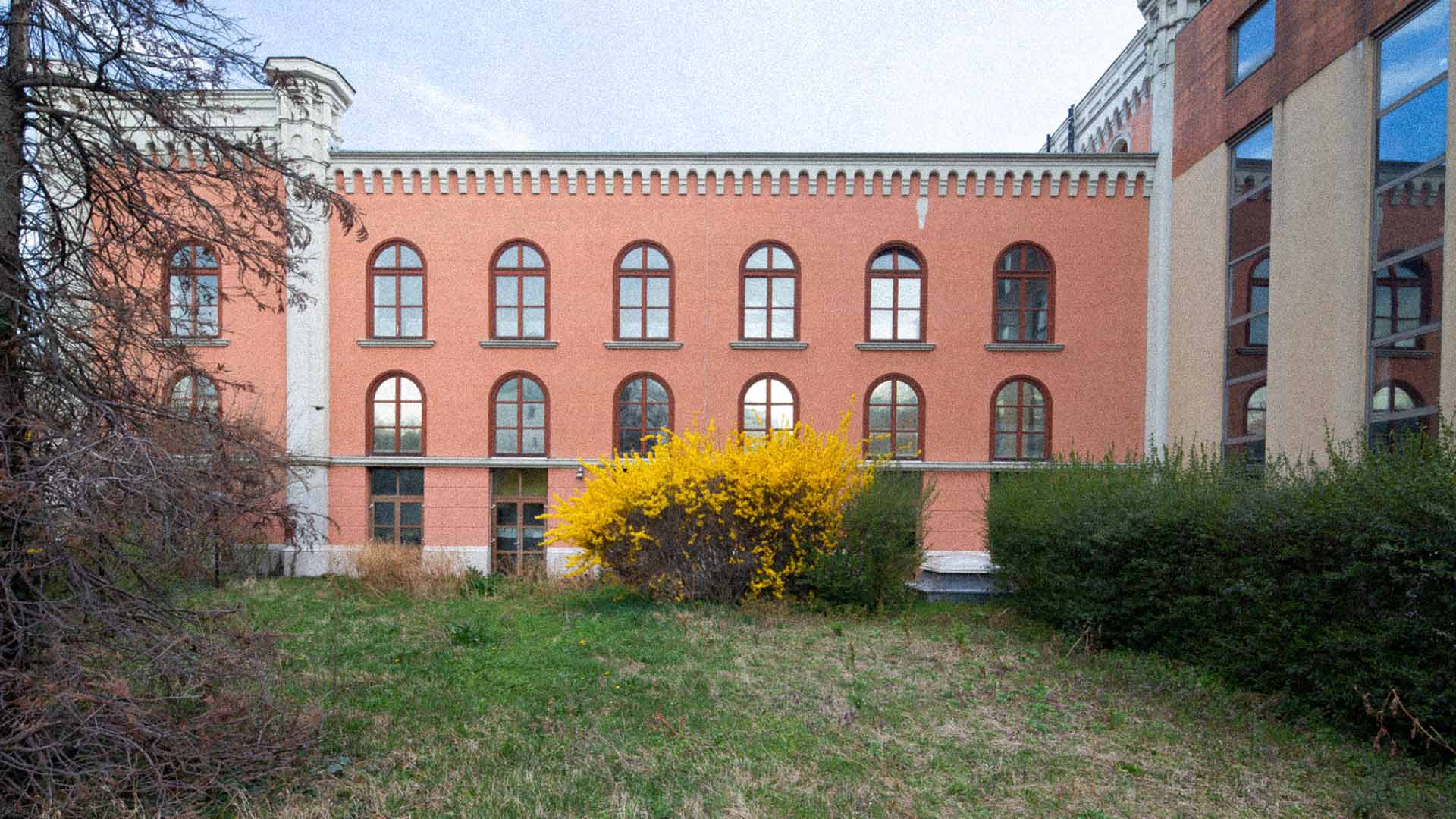
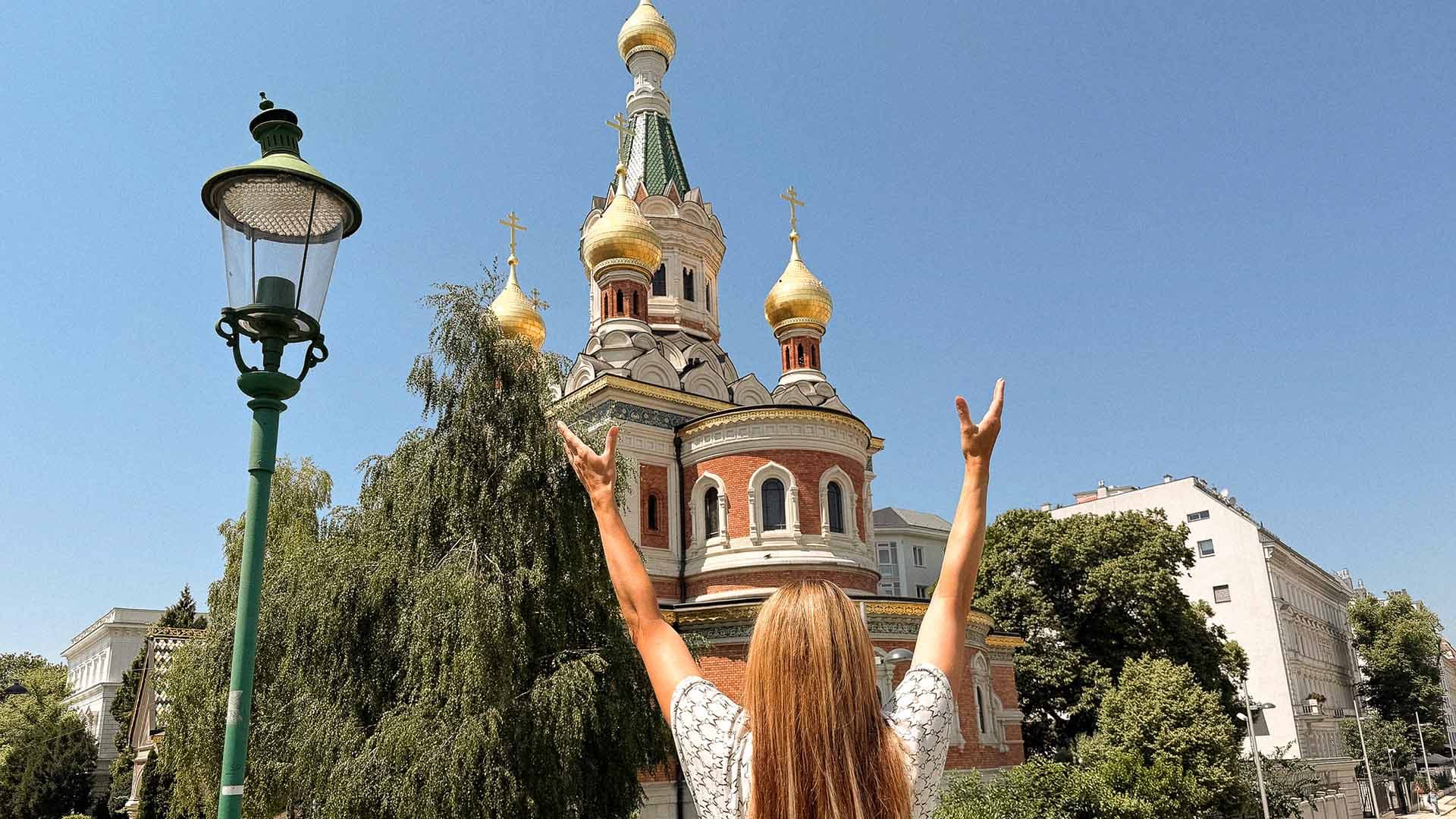
The Russian Orthodox Cathedral of St. Nicholas has been our neighbor since 1899, standing as a
magnificent landmark of the area…
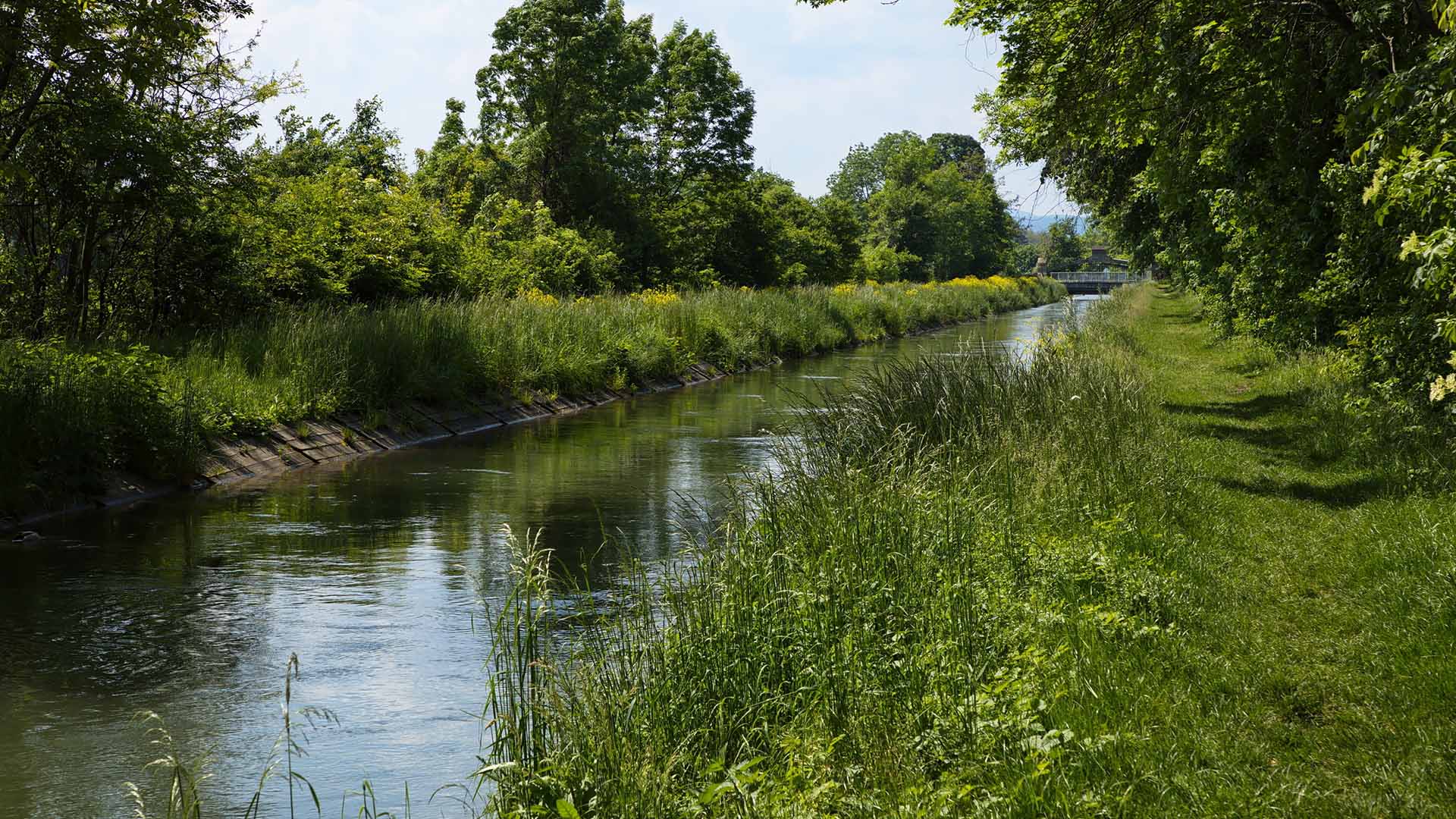
At the end of the 19th century, Emperor Franz Joseph I commissioned the construction of a shipping canal to expand his trading empire. The canal was originally intended to connect Vienna with Trieste, but…
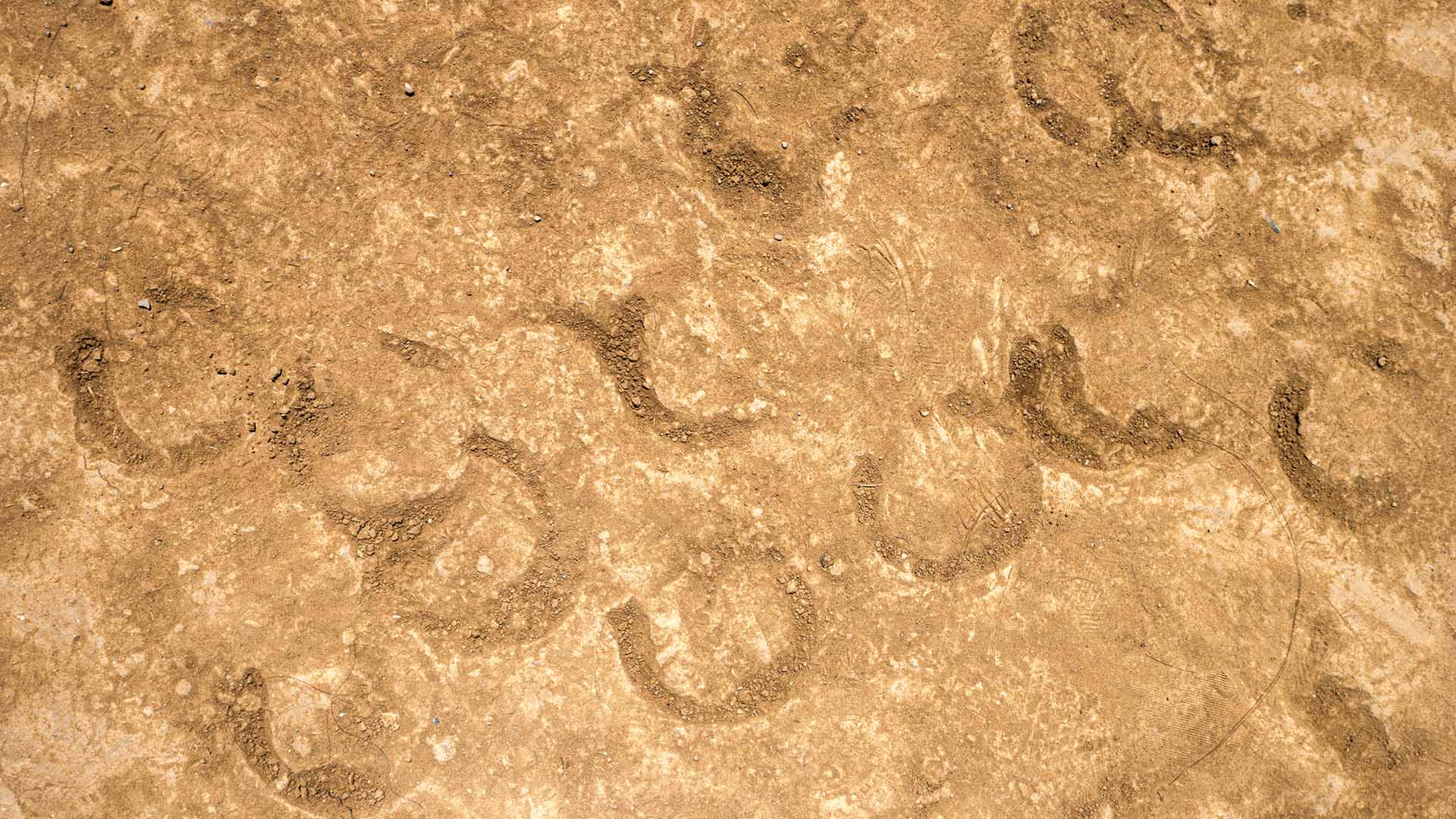
Just a few steps from our hotel lies a street whose name dates back to the Middle Ages: the Rennweg, meaning “racing track”. Between 1382 and 1534, the so-called “Scarlet Races” were held here twice a year…
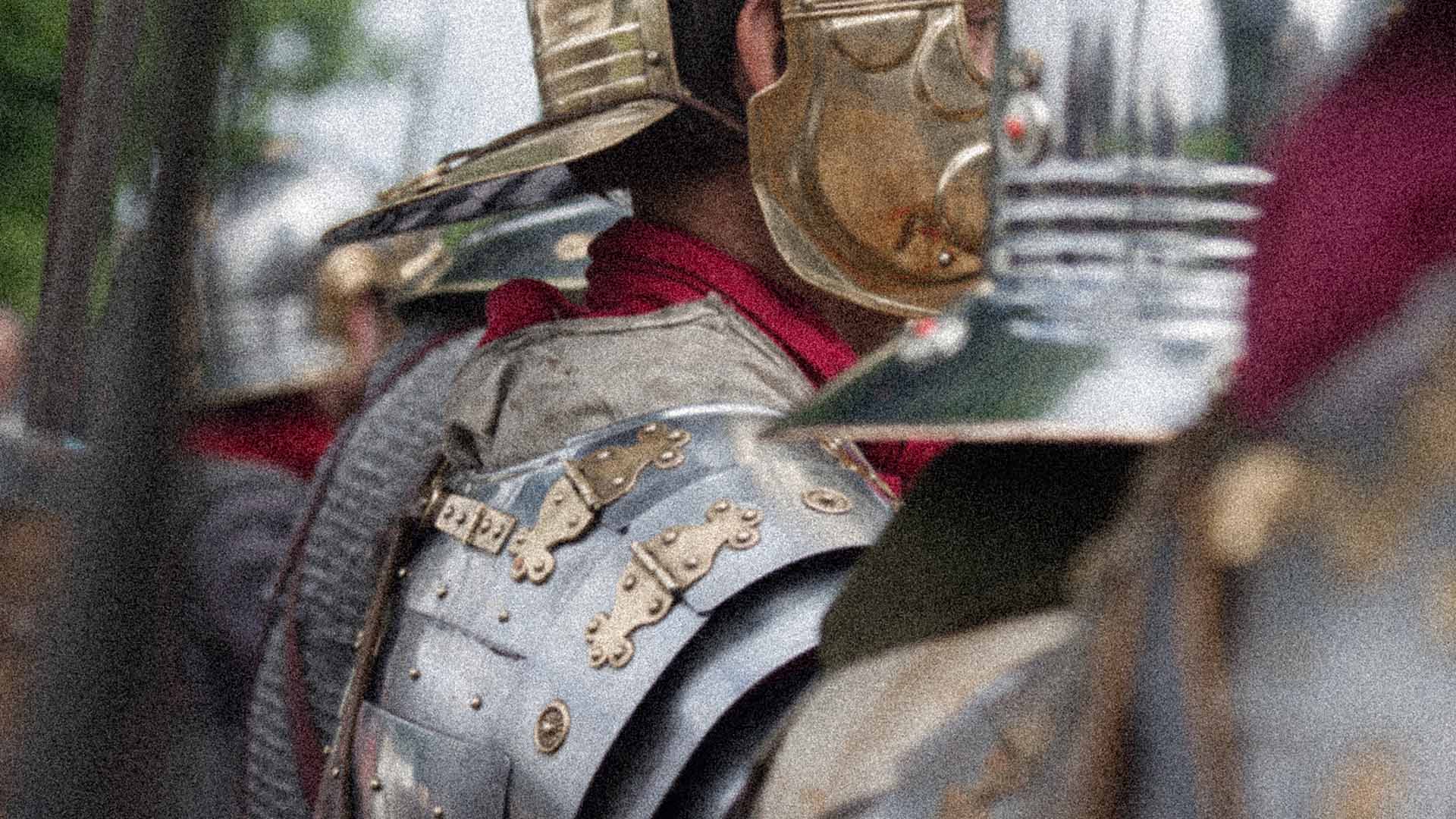
This quarter was once home to the Romans, who established the important military camp of “Vindobona”: the very foundation of present-day Vienna. Only one living witness of that distant era remains…
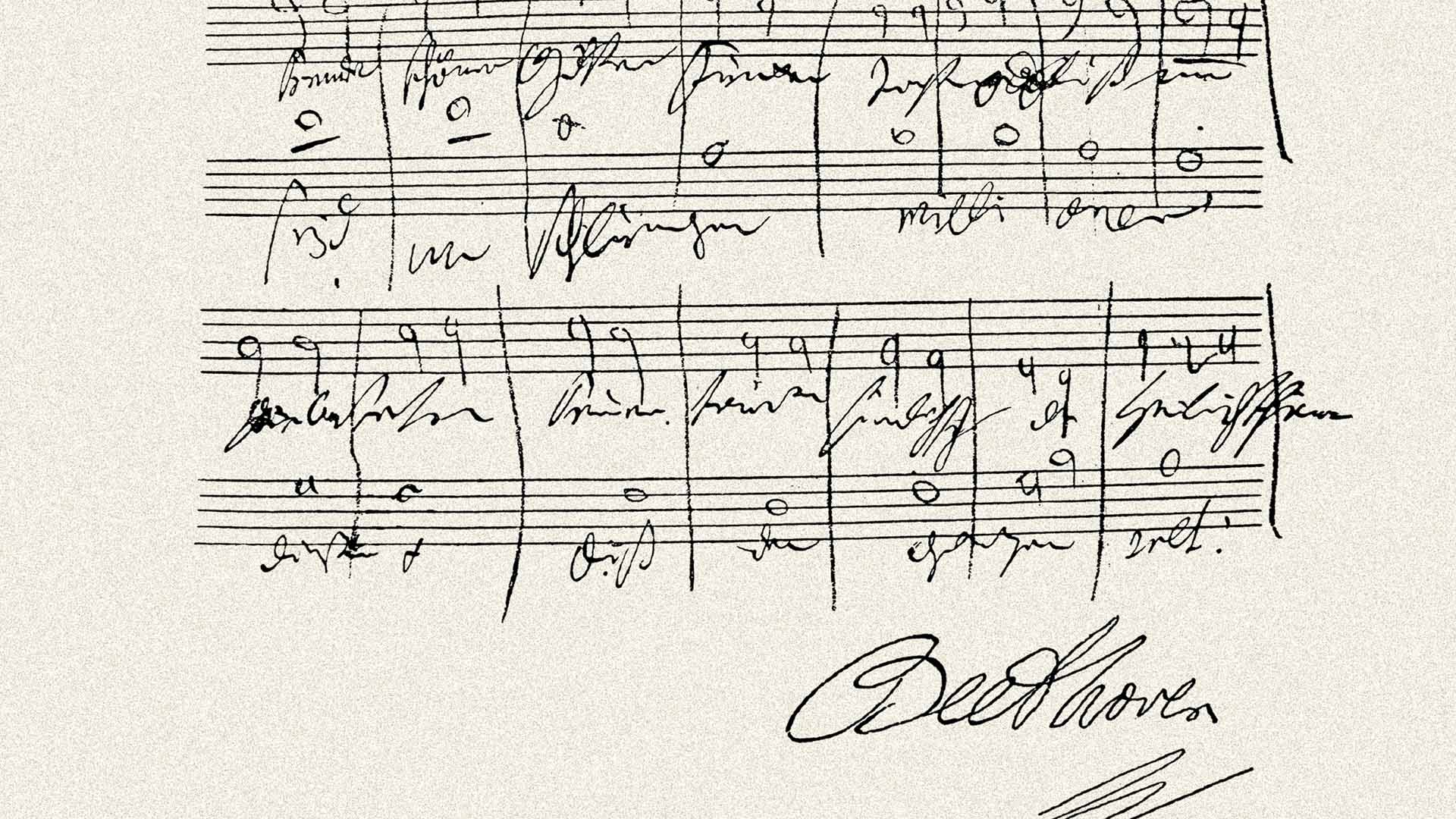
Did you know that the European Anthem was born in the Ungargasse? In the building at Ungargasse 5, Ludwig van Beethoven…
Gustav Klimt’s most famous painting, “The Kiss,” also has its origins here. Klimt’s muse, Emilie Flöge, who is said to appear alongside him in the painting, also lived in the Ungargasse…

Another important musical landmark was Ungargasse 46. In the early 19th century, the building was acquired by the piano-making dynasty Streicher…

Also receive a complimentary residents drink and light bite any day between 11pm - 12pm on your stay.